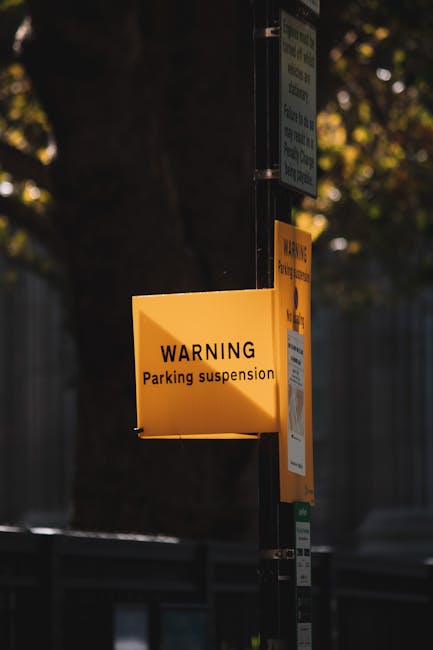
Islington Council Parking Suspension Rules for Removal Vans: A Practical Guide for a Smoother Move
If you are planning a house move, flat move, or office relocation in Islington, the parking side of the job can be the thing that quietly causes the most stress. The van is ready, the boxes are stacked, and then you realise the loading bay is full, the street is tight, and the removal van has nowhere sensible to stop. That is exactly where Islington Council parking suspension rules for removal vans become important.
This guide breaks down how parking suspensions usually work, why they matter for removals, what to check before moving day, and how to reduce the risk of delays, penalties, or awkward last-minute scrambles. We will keep it plain English and practical. No fluff. Just the kind of detail that helps when you are standing by the door at 8:15 in the morning, wondering whether the crew can actually park outside.
For many people, the smartest move is to plan removals and storage together, especially if access is tight or the new place is not quite ready. If that sounds familiar, it may help to look at removals and storage solutions or local removals support as part of the bigger plan.
Contents
- Why parking suspension rules matter for removals
- How parking suspensions work in practice
- Key benefits and practical advantages
- Who this is for and when it makes sense
- Step-by-step guidance
- Expert tips for a smoother move
- Common mistakes to avoid
- Tools, resources and recommendations
- Law, compliance, standards and best practice
- Options and comparison table
- Case study or real-world example
- Practical checklist
- Conclusion
- Frequently asked questions
Why Islington Council parking suspension rules for removal vans Matters
Parking is not just a convenience issue during a move. In a borough like Islington, it can decide whether your removal van can load safely, whether the move stays on schedule, and whether your team spends half the morning circling the block. To be fair, that is the sort of problem that can turn a reasonably calm move into a very London one.
A parking suspension is generally used to temporarily reserve a section of road or parking space so it can be used for a specific purpose. For removals, the purpose is usually loading, unloading, or keeping a large vehicle close enough to the property to do the job safely and efficiently. Without that space, you may have to park further away, carry everything longer distances, or work around resident bays and controlled parking restrictions.
Why does that matter so much for removal vans specifically? Because removal work often involves:
- heavy furniture that is awkward to carry
- multiple trips in and out of a property
- time-sensitive access, especially with lifts or short booking windows
- vehicles that need more space than a standard car
- the need to avoid blocking traffic or emergency access
One extra ten-minute delay may not sound like much. But on a move day, it can snowball. The crew has to park elsewhere, the walk gets longer, the lift booking runs out, and everyone starts losing patience. That is why people planning house removals or flat removals should think about parking before the first box is lifted.
Expert summary: If a removal van needs to stop directly outside or close to the property, parking arrangements are not a side detail. They are part of the move plan, just like packing, access, and timing.
How Islington Council parking suspension rules for removal vans Works
The exact process can vary depending on location, road type, existing restrictions, and how busy the street is. That is normal. Councils tend to treat parking space management as a local operational issue, so the safest approach is always to check the current rules for the specific street and date you need.
In practical terms, a parking suspension for a removal van usually means the council agrees to temporarily suspend normal parking rights in a particular bay or section of street. That space can then be used for loading and unloading, or for the van to stand in a controlled way while the move is underway.
Here is the usual sequence, in plain language:
- Identify the exact address and street segment. A vague "near the house" request is rarely enough.
- Check the parking conditions. Look at whether the street has resident bays, pay-and-display bays, loading restrictions, double yellow lines, or a controlled parking zone.
- Request the suspension in advance. Short-notice requests can be difficult, especially on busy streets.
- Confirm the timing. Make sure the suspension covers the actual loading window, not just part of it.
- Display any required permit or notice. If the council requires signage or documentation, it needs to be visible and correct.
- Brief the removal team. Everyone should know where the van can stop and what to do if the bay is occupied.
In many moves, a parking suspension is used alongside general moving services rather than as a stand-alone task. If you are comparing full-service options, it can be useful to review removals support and man and van help, especially for smaller properties where street access is limited.
There is also a practical distinction between a suspension and simply hoping the street is quiet. Hoping is not a plan. It really isn't. If the street is narrow, or if there are schools, shops, or permit holders competing for space, planning ahead usually saves a lot of grief.
Key Benefits and Practical Advantages
People often think about parking suspensions only in terms of "getting a space". That is true, but it is not the whole picture. Done properly, the right arrangement can improve the move from start to finish.
1. Better access for the removal van
The most obvious benefit is that the van can stop closer to the entrance. That reduces carrying distance, speeds up loading, and lowers the chance of damage to furniture, walls, or stairwells.
2. Faster, more controlled moving day
Less walking back and forth means the crew can work more efficiently. You feel the difference quickly. The move starts looking organised instead of improvised.
3. Lower risk of parking disputes or penalties
When the bay is suspended properly, you reduce the chance of a ticket, complaint, or neighbour dispute. That matters if your move is early, loud, or happening on a busy residential street.
4. Safer handling of bulky items
If a sofa has to be carried two streets over because the van cannot stop nearby, everyone is working harder than necessary. Parking arrangements help keep handling safer and more predictable.
5. Better planning for multi-stop moves
Some removals involve a storage stop, a second address, or a temporary holding point. If that is your situation, coordinated parking and storage planning can make a real difference. Services like short-term storage and mobile self storage can be handy when timings do not line up neatly.
Who This Is For and When It Makes Sense
Parking suspensions are not only for huge removals with lorries and teams in hi-vis. In Islington, they can be useful for all kinds of moves, because even a modest van can struggle with limited kerb space.
This is especially relevant if you are:
- moving from a terraced street with tight parking
- moving into or out of a flat with limited loading access
- working around permit-only parking
- using a larger removal vehicle
- moving at peak times, such as Friday mornings or the start of the month
- trying to avoid long carrying distances from a side street
- coordinating multiple crews or bulky furniture items
It also makes sense if you are managing a business move. Office relocations can be especially awkward because equipment, files, and desks need faster, cleaner loading. If that is your world, look at office removals and business storage as part of the plan.
For students, sharers, or people in temporary accommodation, the parking question often sits alongside storage planning. A small van may be enough, but access is still the issue. That is where student storage and small removals can be worth considering.
Step-by-Step Guidance
If you want the simplest possible route, follow a methodical process. A bit dull? Maybe. Effective? Absolutely.
Step 1: Confirm the move date and loading window
Write down the actual time the van needs to arrive, not just the day. This matters because the suspension has to match the real moving window. If you are collecting keys later in the morning, build that into the timing.
Step 2: Inspect the street conditions
Check where the van would realistically stand. Look for signage, bay markings, double yellow lines, bus stops, school zig-zags, or other restrictions. If you are unsure, stand outside at the same time of day and just watch for five minutes. You will learn a lot.
Step 3: Decide whether a suspension is needed
If the street is easy, a suspension may be unnecessary. If access is tight, request one early. The point is not to overcomplicate the move. It is to avoid gambling on a space being free at the exact moment you need it.
Step 4: Gather the information the council is likely to need
Keep the address, date, times, vehicle size, and purpose of the booking in one place. If a document reference or bay location is required, note that too. Being organised here saves chasing later.
Step 5: Arrange the van and crew around the suspension window
There is no point securing a bay from 9:00 to 11:00 if the van is due at 11:30. It sounds obvious, but these mismatches happen. More often than people admit, actually.
Step 6: Build in a backup plan
If the space is occupied, what happens next? A second bay, a short wait, or an alternate loading spot can rescue the day. Good movers always have a plan B, and sometimes a plan C.
Step 7: Keep neighbours informed when appropriate
This one is small but useful. A polite note or brief conversation can prevent a lot of tension, especially on narrow residential streets where people care about routine and access. Truth be told, courtesy goes a long way.
Expert Tips for Better Results
After years of dealing with removal logistics, one thing stands out: the jobs that run smoothly are usually the ones where the small details were handled early.
- Book access arrangements before the packing frenzy starts. Once the boxes are everywhere, small admin jobs become annoying fast.
- Measure the van against the street. A large van may technically fit somewhere, but that does not mean it fits comfortably enough to load safely.
- Use a clear loading order. Put the heaviest, most awkward items near the van entrance first, then build around them.
- Keep your essentials separate. Documents, keys, chargers, kettle, medication - all the little things that save the first night.
- Leave time for London traffic and roadworks. Even a 20-minute delay can matter if the suspension window is tight.
- Match the parking plan to the property type. A ground-floor flat with a wide entrance is very different from a top-floor walk-up.
If you are also arranging packing support, that can reduce pressure on the day. A well-packed move is easier to load, easier to carry, and easier to stack inside the van. Consider packing services if time is tight or if you want fewer surprises when the boxes are opened later.
One more thing: do not assume a smaller van always solves the problem. Sometimes it does. Sometimes it just means more trips, more time, and more chances to lose the parking space. Bit of a trap, that.
Common Mistakes to Avoid
Most moving-day problems are not dramatic. They are ordinary little oversights that compound. Here are the ones that come up most often.
- Leaving the parking plan until the week of the move. Especially risky in busy parts of Islington.
- Assuming general parking rules are enough. A removal van may need different handling from a family car.
- Not checking the exact street segment. The bay outside number 12 may be different from the one outside number 18.
- Booking the wrong time window. If the crew arrives before the suspension starts, they may have nowhere legal to wait.
- Forgetting about unloading at the destination. It is easy to focus only on the old address and overlook the new one.
- Using a van size that is awkward for the street. Bigger is not always better in a tight residential area.
- Not briefing everyone. The driver, the movers, and the client all need the same understanding of what is happening.
People also sometimes forget to think about storage if the new property is not ready. That is where secure storage or long-term storage can take the pressure off, particularly if you are moving in stages.
Tools, Resources and Recommendations
You do not need a complicated toolkit, but a few basic things make the process smoother.
- A written move timeline with parking, key handover, and arrival times
- A room-by-room inventory so the load order makes sense
- Measuring tape for awkward furniture and access points
- Printed or saved confirmation details for the move day
- Box labels that are readable at a glance
- Protective materials for floors, corners, and delicate furniture
For households that want a calmer transition, a combined approach can be useful. For example, a customer moving out of a small Islington flat might use household storage for overflow items and then finish the move once the new place is cleared. If the move is temporary, short-term storage often fits better than trying to force everything into one day.
For landlords, agents, or business owners, keeping documents and off-site files separate can also help. document storage is a sensible option when floor space is limited and you would rather not stack filing cabinets in the middle of the move.
Law, Compliance, Standards and Best Practice
Parking suspensions sit in a wider framework of road use, local traffic management, and safe loading practices. The exact formal rules depend on the street and the council's current procedures, so it is always wise to treat council guidance as the source of truth for the specific location and date.
From a best-practice point of view, a good removal setup should do a few things:
- avoid blocking traffic unnecessarily
- protect pedestrians and neighbours
- allow loading and unloading to happen safely
- respect any local restrictions or permit conditions
- reduce the risk of property damage and vehicle damage
There is also a basic duty of care issue. If you are organising a move, you should think about safety, access, and insurance together. That is not overcautious; it is sensible. If you want to see how a removals provider approaches this kind of thing, insurance and safety information and the health and safety policy are worth a look.
In practical terms, compliance is less about being legalistic and more about being prepared. A van parked in the wrong place can trigger complaints, fines, or delays. A properly arranged suspension, by contrast, helps everyone stay calm and keeps the move moving. Simple idea. Big impact.
Options, Methods, or Comparison Table
Not every move needs the same parking solution. Here is a simple comparison of the main options people usually consider.
| Option | Best for | Pros | Limitations |
|---|---|---|---|
| No suspension, just standard parking | Very quiet streets or easy-access properties | Quick and simple | Risky if bays are full or restrictions are tight |
| Parking suspension for the van | Most removals in busy streets | Better access, fewer delays | Needs planning and may require advance request |
| Smaller van and multiple trips | Light moves or short distances | Sometimes easier to manoeuvre | Can take longer and still face parking issues |
| Removal plus storage | Moves with timing gaps or excess belongings | Reduces pressure on move day | Requires extra coordination |
If you are choosing between these, the real question is not "which is cheapest?" It is "which option makes the move predictable enough to finish without chaos?" For many Islington streets, predictability is worth more than squeezing out a small saving.
Case Study or Real-World Example
Imagine a couple moving out of a second-floor flat near a busy residential street. They have a sofa, a bed frame, three wardrobes, boxes of kitchenware, and a very determined cat hiding behind a radiator. The new property is only a few miles away, but the road outside both addresses is tight and heavily parked.
Without a parking suspension, the van would have had to stop around the corner. That would have meant longer carries, more trips, and more time spent navigating tight pavements and other parked vehicles. Instead, the move was planned around a reserved loading space. The van could stop close to the entrance, the team worked in a clear rhythm, and the move was finished in one tidy run rather than stretched across the day.
The same logic applies to office moves and smaller commercial relocations. If desks, screens, boxes of records, and IT equipment need to be loaded quickly, access becomes part of the service, not a side detail. That is one reason businesses often combine office storage with structured moving support when they are short on time or space.
The important lesson is not that every move needs a suspension. It is that the right parking plan makes even a busy street feel manageable. And on moving day, manageable is gold.
Practical Checklist
Use this before the move. Print it, save it, scribble on it. Whatever works.
- Confirm the exact move date and arrival time
- Check whether the origin and destination streets have loading restrictions
- Decide if a parking suspension is needed for the removal van
- Note the exact bay or kerb location required
- Match the suspension window to the real loading time
- Brief the driver and removal team on access details
- Prepare any required move-day documents or confirmations
- Label boxes clearly by room and priority
- Set aside essentials for the first 24 hours
- Arrange storage if your new place is not ready yet
- Keep a backup option in case access changes on the day
If you are moving personal items only, or the load is relatively modest, small removals can sometimes be the neatest fit. If you want the moving truck to be only one part of a broader plan, self storage can give you breathing room. And yes, breathing room matters when the day is already full.
Conclusion
Islington Council parking suspension rules for removal vans are really about one thing: making a complicated day feel manageable. If you get the parking right, the rest of the move has a much better chance of staying on track. If you get it wrong, even a good removal team can end up fighting avoidable delays, restricted access, and far too much kerbside improvisation.
The best approach is simple. Check the street, confirm the timing, plan the van position, and leave yourself a little slack. That small bit of planning often saves the biggest headaches. It can also make the whole move feel calmer, which is no small thing when you are standing in a hallway full of boxes and trying to find the kettle.
If you are arranging a move in Islington and want less stress around access, timing, and storage, it is worth speaking to a team that understands how these local details affect the bigger picture.
Get a free quote today and see how much you can save.
And if you are still at the planning stage, that is fine. A thoughtful move starts with one sensible decision at a time.
Frequently Asked Questions
Do I need a parking suspension for a removal van in Islington?
Not always, but many moves in Islington benefit from one because streets can be narrow, bays fill quickly, and loading close to the property usually saves time. If access is easy and parking is clearly available, you may not need one. If in doubt, plan for it.
How far in advance should I arrange parking for a move?
As early as you can. Short-notice arrangements are harder when the street is busy or when the move falls on a popular day. Early planning gives you more options and reduces the chance of last-minute stress.
What happens if the space is already occupied on move day?
That is where a backup plan matters. The van may need to wait briefly, use an alternative loading point, or work from a nearby legal space. If you have not planned for that, the whole schedule can slip.
Can a removal van use resident parking bays?
Sometimes, but only where the parking rules allow it or where the bay has been suspended for the move. Never assume a normal bay is fine for a large van just because the street looks quiet.
Is a parking suspension the same as a permit?
No. A permit usually gives a right to park under certain conditions, while a suspension temporarily removes normal parking use from a specific space. For removals, a suspension is often the more useful tool when you need the kerb directly outside.
What if I am moving from a flat with no driveway?
That is exactly the kind of situation where parking planning becomes important. Flat moves often involve stairs, lifts, awkward turns, and short access windows, so having the van as close as possible makes a real difference.
Does a parking suspension help with unloading at the new address too?
Yes, if it is arranged for the destination street as well. Many people focus on the old address and forget the new one. Both ends matter, especially if the move is time-limited.
What size van should I use for a tight Islington street?
Smaller is not always safer, but a van that is too large can make loading difficult. The right size depends on your furniture, access, and whether you have parking close enough to work efficiently. A sensible mover will help you judge that balance.
Can I combine a parking arrangement with storage if my move is split over two days?
Absolutely. In fact, that often makes a difficult move much easier. Using household storage or long-term storage can turn a rushed, crowded move into a more manageable process.
What if I only have a few items to move?
Then a full removal setup may be unnecessary. A smaller vehicle or a more compact service could be enough, especially if access is straightforward. For lighter loads, man and van support or small removals may be a better fit.
How do I know if my move is likely to need a suspension?
Look at the street itself. If parking is tight, the road is busy, or loading would require the van to sit close to the property, the answer is probably yes. A quick check on the ground usually tells you more than guesswork ever will.
What is the biggest mistake people make with removal van parking?
Leaving it too late. People often focus on packing and paperwork, then assume the parking will work itself out. It rarely does. A bit of planning up front avoids a lot of drama later.