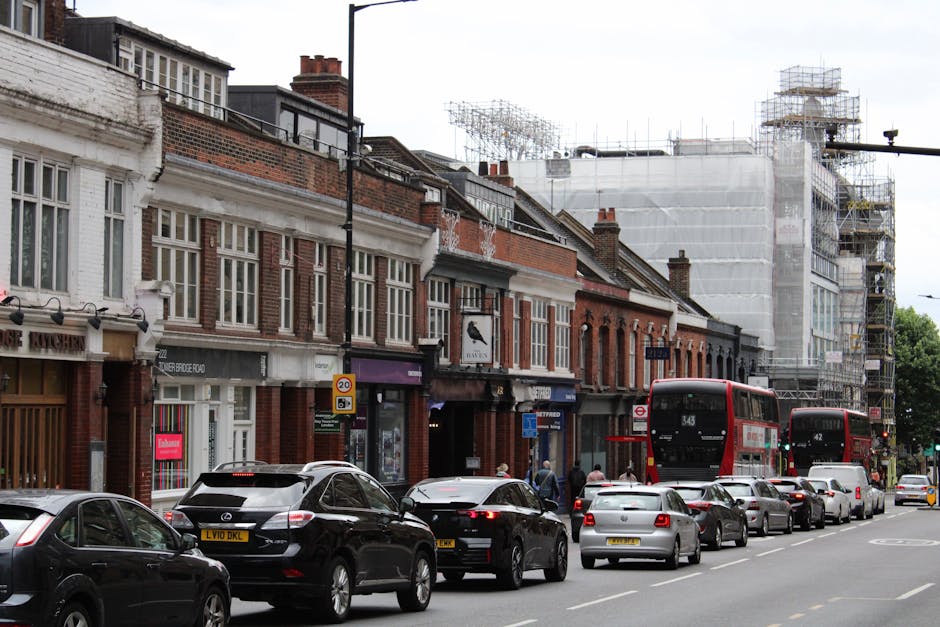
Affordable removals in Islington Upper Street: a practical local guide to moving without overspending
Moving in and around Upper Street can feel exciting right up until the boxes appear. Then reality kicks in: narrow stairwells, awkward parking, busy traffic, a sofa that looked smaller in the flat, and a to-do list that somehow keeps growing. If you are looking for Affordable removals in Islington Upper Street, the good news is that saving money does not have to mean cutting corners. Done properly, a budget-friendly move can still be calm, organised, and respectful of your belongings.
This guide breaks down what affordable removals actually mean in a busy London setting, how the process works, where costs can creep up, and what sensible choices make the biggest difference. You will also find a step-by-step plan, a practical checklist, a comparison table, and clear FAQs so you can decide what kind of move suits your situation. Whether you are leaving a rented flat off Upper Street, moving into a townhouse nearby, or shifting a small office, the aim is the same: keep the move efficient, keep the stress down, and keep the price fair.
And to be fair, most people do not need a luxury, white-glove service for every move. Sometimes you just need the right size van, a capable crew, and a plan that works in real life.
Why Affordable removals in Islington Upper Street Matters
Upper Street is one of those London roads where everything feels close together, lively, and slightly busier than you expected. That is part of the charm, of course. It is also why removals in this area need a bit more thought than a straightforward suburban move. Parking can be tight, access can be limited, and a delay at the wrong moment can throw the whole day off.
Affordable removals matter because moving costs can escalate fast if the job is not planned properly. A short journey does not always mean a cheap move. In fact, local moves often become expensive because of the hidden bits: waiting time, extra labour for stairs, last-minute van changes, or a poor estimate of how much will actually fit. The real goal is not just the lowest headline price. It is the best overall value.
If you live or work near Upper Street, you are probably balancing cost with convenience. Maybe you are moving out of a flatshare, downsizing, or relocating a small business nearby. In those situations, paying for unnecessary extras does not make sense. A sensible removals plan helps you avoid waste, protect your items, and keep the day moving.
Expert takeaway: affordable removals are not about choosing the cheapest quote on paper. They are about choosing the service that minimises avoidable time, damage, and stress.
If you are comparing moving options more broadly, it can help to look at related service information too, such as house removals in London, man and van support, and the broader removals service overview. That makes it easier to match the service level to the scale of your move.
How Affordable removals in Islington Upper Street Works
At a practical level, affordable removals work by matching the right level of labour, vehicle size, and timing to your move. That sounds simple, but in removals, simplicity saves money. A well-planned job avoids back-and-forth trips, reduces waiting, and makes it easier to move items safely the first time.
Most budget-conscious removals follow a fairly similar pattern:
- You share the basics: moving date, property type, access details, and approximate volume.
- The removals company estimates the time, crew size, and vehicle required.
- You decide whether you need packing help, furniture disassembly, or just transport and loading.
- On moving day, the team arrives, protects the items, loads efficiently, and transports everything to the new address.
- If included, they unload and place items in the correct rooms, which saves you a lot of effort later.
Where people sometimes get caught out is underestimating the details. A first-floor flat with a narrow staircase is very different from a ground-floor apartment with direct access. A one-bedroom move may still take time if there are heavy wardrobes, fragile mirrors, or a parking issue outside. Affordable removals are built on accurate information, not guesswork.
In our experience, the most reliable quotes come from honest descriptions. Mention the lift size if there is one. Mention if the road is busy. Mention the fridge, washing machine, or awkward old sofa that somehow became part of the family. Little things like that matter more than people realise.
For moves that involve short-notice help or smaller loads, a flexible same-day removals service may also be useful, especially if your plans change at the last minute. And if packing is your biggest headache, a look at packing services can help you decide whether assistance is worth it.
Key Benefits and Practical Advantages
Affordable removals do more than save money. They can make the whole move feel more manageable. That is a big deal, because moving day has a habit of turning small issues into large ones. A good low-cost service should still give you a sense of control.
- Better budget control: You know what you are paying for and where the money is going.
- Less wasted time: A properly sized team finishes faster and avoids repetitive lifting.
- Reduced physical strain: Heavy lifting is tiring, and honestly, your back will thank you.
- Lower damage risk: Skilled handling, blankets, and sensible loading reduce avoidable knocks.
- More flexibility: Budget-friendly services can often be tailored to smaller or mixed-size moves.
- Cleaner decision-making: When the service is straightforward, it is easier to compare quotes fairly.
There is also a less obvious benefit: confidence. When you know what is happening, the move feels less chaotic. That matters, especially in busy parts of Islington where a slow start can ripple through the rest of the day. A simple, disciplined plan often does more for peace of mind than any fancy add-on.
Another advantage is that affordable removals can often be scaled. Maybe you only need help with the awkward items, or maybe you want a full service for a one-day flat move. Either way, you are not paying for a large operation you do not need.
Who This Is For and When It Makes Sense
This kind of service suits a surprisingly wide mix of people. The common thread is that they want a sensible move without paying for unnecessary extras.
Typical situations where affordable removals make sense
- Tenants moving between rented flats: especially when the move is local and the furniture load is moderate.
- Students or first-time renters: often dealing with a small budget and fewer belongings.
- Couples combining households: you know how it goes, two desks, three kettles, and one very unnecessary box of cables.
- Downsizers: people moving to a smaller property who need a careful but efficient service.
- Small businesses: offices, studios, or retail spaces relocating within Islington or nearby.
- Anyone with awkward access: stairs, narrow hallways, controlled parking, or limited loading space.
It also makes sense if your move is simple enough to benefit from a lean, no-nonsense approach. If you do not need full packing or storage, there is no reason to pay for it. On the other hand, if your belongings are high-value, fragile, or unusually bulky, it may be worth adding more support even if it nudges the price up a bit.
If your move includes office equipment or specialist items, it can be worth checking related pages such as office removals or furniture removals to see how the service is usually structured.
Step-by-Step Guidance
A better move almost always starts before the van arrives. The steps below are simple, but they really do help.
1. Take stock of what is moving
Walk through the property and note what needs to go. Large furniture, fragile items, appliances, boxes, plants, and anything awkward should be listed separately. If you are unsure whether something counts as bulky, it probably does.
2. Check access at both addresses
Look at stairs, lifts, entry codes, parking restrictions, and loading space. In Upper Street and the surrounding roads, this can make a bigger difference than people expect. A van parked a little too far away can add time, and time costs money.
3. Decide on the service level
Do you want only transport, or do you need help with loading, unloading, packing, and furniture dismantling? Be clear. A cheap quote can become expensive if the job turns out to be more complex than described.
4. Request a detailed quote
Ask what is included. Does the quote cover labour, fuel, blankets, straps, and waiting time? Are there extra charges for stairs or difficult access? The more transparent the quote, the easier it is to compare fairly.
5. Prepare your belongings
Pack non-fragile items in sturdy boxes, label them clearly, and keep essentials separate. Put kettle, chargers, medication, and documents in one easy-to-find bag. You do not want to be digging for tea bags at 9 p.m. while surrounded by cardboard.
6. Confirm timing and parking
Re-check the moving day details the day before. If parking permits, bay suspensions, or loading arrangements are needed, sort them early. Even a small delay can affect the whole schedule.
7. Be ready for loading day
Have keys, codes, and contact details ready. If you are moving out of a shared building, let neighbours know if there will be a bit of noise. A little courtesy goes a long way.
If you want more guidance on planning the move itself, a helpful next step is reading about the removals checklist and packing tips for a smoother move.
Expert Tips for Better Results
Affordable removals are not just about shaving numbers off a quote. The best savings usually come from smarter preparation. A few small changes can make the job faster, safer, and less stressful.
- Declutter before moving: every item you do not move is one less item to lift, wrap, and transport.
- Disassemble simple furniture early: beds and flat-pack items can take longer than expected if left until the last minute.
- Group items by room: this helps loading and makes unloading much easier.
- Protect fragile things properly: towels, blankets, and paper can work, but dedicated materials are better for delicate items.
- Book sensible time slots: midweek moves are often easier to manage than peak weekend slots, though availability varies.
- Be realistic about volume: if you are unsure, slightly overestimate rather than understate.
One of the most useful habits is separating what you need on day one from what can wait. The first night in a new place is always a bit messy. If your essentials are easy to find, the rest feels much less overwhelming.
A small but important tip: keep a photo of valuable or fragile items before they are moved. It is simple, quick, and provides a useful record if anything needs checking later. Not dramatic. Just sensible.
Common Mistakes to Avoid
Many move-day problems are avoidable. The tricky bit is that they often look minor during planning and then become obvious when the clock is ticking.
- Choosing a quote without checking what is included: the cheapest price can exclude labour time, stairs, or access challenges.
- Underestimating the amount of stuff: extra boxes and furniture can quickly change the vehicle size needed.
- Ignoring parking: in central and inner-London areas, parking is not a small detail.
- Leaving packing until the night before: this usually leads to rushed, unsafe packing and missing items.
- Not protecting fragile items: plates, glass, and screens need more care than a random box and a bit of hope.
- Forgetting building rules: some blocks have strict moving access windows or lift booking requirements.
Truth be told, the most expensive move is often the one that looks cheap at the start. If a quote feels oddly low, ask why. A good provider should be able to explain the pricing clearly without sounding evasive.
Tools, Resources and Recommendations
You do not need a van full of specialist gear to move well, but a few practical tools make a real difference.
Useful moving tools and materials
- Strong cardboard boxes in mixed sizes
- Packing tape and tape dispenser
- Bubble wrap or paper for fragile items
- Furniture blankets or protective covers
- Marker pens for room labels and priority notes
- Zip bags for screws, cables, and small fittings
- Reusable bags or crates for quick-access items
- Gloves for handling awkward or dusty pieces
If you are trying to keep costs down, focus on the items that reduce damage and speed up loading. Boxes that are sturdy and easy to stack matter more than fancy packaging. A little uniformity goes a long way in a van.
It can also help to review nearby service pages if your move has special elements. For example, if you have high-value furniture, storage solutions might be useful during a staggered move. If you are moving out of a flat with tight access, flat removals can give you a clearer idea of the typical approach.
And if you are the kind of person who labels one box "misc" and hopes for the best... well, we have all been there. But the box always comes back to haunt you. Always.
Law, Compliance, Standards, or Best Practice
For removals, the main compliance issues are usually practical rather than complicated. The basics are about safe working, responsible vehicle use, and respecting building and street rules. In London, that often means parking considerations, access rules, and avoiding unsafe lifting or loading practices.
Here are the best-practice points most people should expect from a professional removals service:
- Proper insurance: reputable movers should be able to explain their insurance cover clearly.
- Safe handling: teams should use sensible lifting methods and protect items during transit.
- Transparent pricing: the quote should state what is and is not included.
- Respect for access rules: buildings, managed estates, and local parking conditions should be handled responsibly.
- Clear communication: arrival times, delays, and special requirements should be discussed in advance.
If your move involves bulky appliances, valuable electronics, or business equipment, it is worth asking how these items will be handled. That is not being difficult. It is just good practice. The same goes for any requirements from your landlord, building manager, or local street arrangement.
There is also a wider duty of care angle. Items should be lifted and loaded with attention, not rushed. A service can be affordable and still professional. Those two things are not opposites.
Options, Methods, or Comparison Table
Choosing the right removal method is often where people save the most. Below is a simple comparison of common options for moves around Upper Street and nearby parts of Islington.
| Option | Best for | Pros | Trade-offs |
|---|---|---|---|
| Man and van | Small to medium local moves | Flexible, often cost-effective, good for short journeys | May require more packing and organisation from you |
| Full removals team | Larger homes or heavier loads | Faster loading, less strain, better for complex access | Usually costs more than basic transport-only help |
| Packing plus removals | Busy households or fragile items | Reduces stress, improves protection, saves time | More expensive than transport alone |
| Transport-only | Very organised movers with ready-packed items | Lowest basic labour cost | You do more of the work, and mistakes can cost time |
For many people seeking affordable removals in Islington Upper Street, the sweet spot is either a man and van setup or a small, well-managed removals team. If you only have a few rooms of furniture and boxes, that can be enough. If you have stairs, bulky items, or a strict time window, paying a little more for labour can actually save money overall.
Case Study or Real-World Example
Here is a realistic example. A tenant moves from a second-floor flat near Upper Street into another property a few streets away. The load includes a bed frame, mattress, two wardrobes, a desk, six to eight boxes, kitchen items, and a bicycle. Nothing extreme, but enough to be awkward.
The tenant initially assumes a small van will do. After checking the access details, though, it becomes clear that the staircase is tight, the street parking is limited, and a couple of items need dismantling to fit safely. By splitting the work into clear parts - packing in advance, disassembling furniture the day before, and booking enough labour for loading - the move becomes quicker and more controlled.
The key lesson is simple: the cheap option is not always the bare-minimum option. Sometimes a slightly better planned service costs a little more upfront but avoids repeat trips, delays, and damage. That is where real savings sit. Quiet savings, not flashy ones.
Another common local scenario is a small office or studio move. If equipment is organised and access is checked in advance, the process can be surprisingly smooth. But if the team has to stop every ten minutes to work out which box belongs where, the clock starts to hurt.
Practical Checklist
Use this checklist a few days before the move. It is simple, but it keeps the day sane.
- Confirm the moving date and access times
- Check parking arrangements at both addresses
- Measure large furniture and key doorways
- Label boxes by room and priority
- Set aside essentials for the first 24 hours
- Wrap fragile items securely
- Disassemble furniture if needed
- Keep keys, codes, and contact numbers ready
- Tell neighbours or building management if required
- Review what is included in the quote
- Separate items that should not go on the van
- Do a final walk-through before leaving
Quick reminder: if a task will take ten minutes now and save thirty minutes on moving day, do it now. Future-you will be grateful. Probably with tea.
Conclusion
Affordable removals in Islington Upper Street are absolutely achievable, but the savings come from clarity, preparation, and choosing the right service level for the job. A well-organised move is usually the cheapest move in the long run because it avoids wasted time, awkward surprises, and unnecessary damage. That is especially true in a busy local area where access, parking, and timing can all affect the final bill.
If you remember only one thing, make it this: low cost should still mean decent planning and careful handling. That balance is what turns a stressful moving day into something manageable. Not perfect, maybe. But manageable, and that counts for a lot.
If you are comparing options right now, ask for a clear quote, check exactly what is included, and choose the service that fits your property, your schedule, and your budget.
Get a free quote today and see how much you can save.
Frequently Asked Questions
How do I find genuinely affordable removals in Islington Upper Street?
Start by comparing quotes that are based on the same details: property size, access, number of items, and any extra services. A good affordable option is transparent, not vague. Ask what is included, then compare like for like.
Is a man and van service cheaper than a full removals team?
Often, yes, especially for smaller local moves. But cheaper only helps if the vehicle size and labour are sufficient. If you need multiple trips or extra handling, a slightly larger team may be better value overall.
What makes removals in Upper Street more complicated?
Busy roads, parking limits, tight staircases, and access restrictions can all add time. In London, those practical issues matter a lot. They do not make the move impossible, just a bit more planning-heavy.
Can I save money by packing everything myself?
Yes, in many cases. Self-packing reduces labour costs, but only if the packing is done properly. Weak boxes or poor labelling can slow the move and increase damage risk, so do it carefully.
How far in advance should I book a removals service?
For the best choice of dates and prices, book as early as you can. If your move is flexible, midweek or off-peak times can sometimes be easier to arrange. Last-minute bookings are possible, but options may be narrower.
What details should I include when asking for a quote?
Share the moving date, addresses, access details, approximate number of rooms or items, large furniture, fragile items, and whether you need packing or disassembly. The more accurate the brief, the more reliable the quote.
Are there hidden costs I should watch for?
Common extra charges may involve stairs, waiting time, difficult access, parking issues, or additional labour. Always ask how these are handled before booking so there are no unpleasant surprises later.
Do affordable removals still include insurance?
They should. Insurance expectations vary, so it is sensible to ask what cover is included and how claims would be handled. Never assume. A quick question can save a lot of stress.
What is the best way to move fragile items cheaply?
Pack them yourself using sturdy boxes, proper padding, and clear labels. Keep fragile boxes separate and make sure the removals team knows which items need extra care. That is a simple way to protect items without paying for full packing services.
Can removals be arranged for small flats or studio apartments?
Absolutely. Smaller properties are often ideal for a compact removals setup. In many cases, a well-planned van and a small crew are enough to handle the move efficiently and affordably.
What should I do if my building has strict moving rules?
Check the building requirements early. Some properties need lift bookings, move windows, or advance notice. Tell the removals company as soon as you know so they can plan around it. That avoids avoidable delays.
Is it worth paying for packing help?
If you are short on time, have fragile items, or simply do not want the stress, it can be worth it. If your belongings are mostly straightforward and you are well organised, self-packing may be the more affordable choice.
For more support on local moves, you may also find it useful to look at local removals guidance and related moving house advice before you decide. A little extra reading now can make the whole process feel less like a scramble and more like a plan.
And honestly, that is what most people want: a move that feels under control, even if the kettle is still in a box somewhere. Bit by bit, it gets there.